
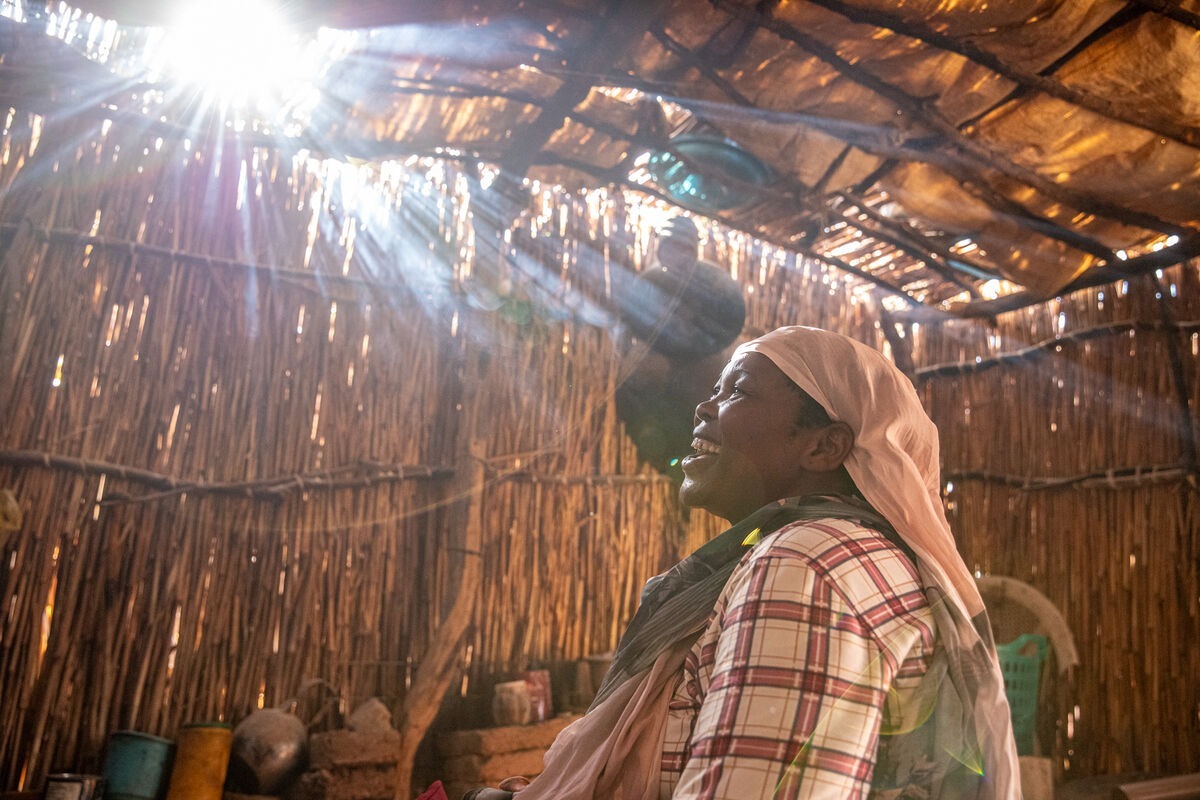
Over the last three years, terrifying waves of conflict have driven more than a million people to seek safety in eastern Chad. As many as 900,000 are women and children.
When conflict breaks out, families are forced to drop everything and run. On the move, it is often women who must lead their families out of danger, provide shelter, and rebuild their lives from scratch.
This is exactly what happened to Aicha, a mother from Sudan whose life was turned upside down when violence reached her village.
“You will leave this place”
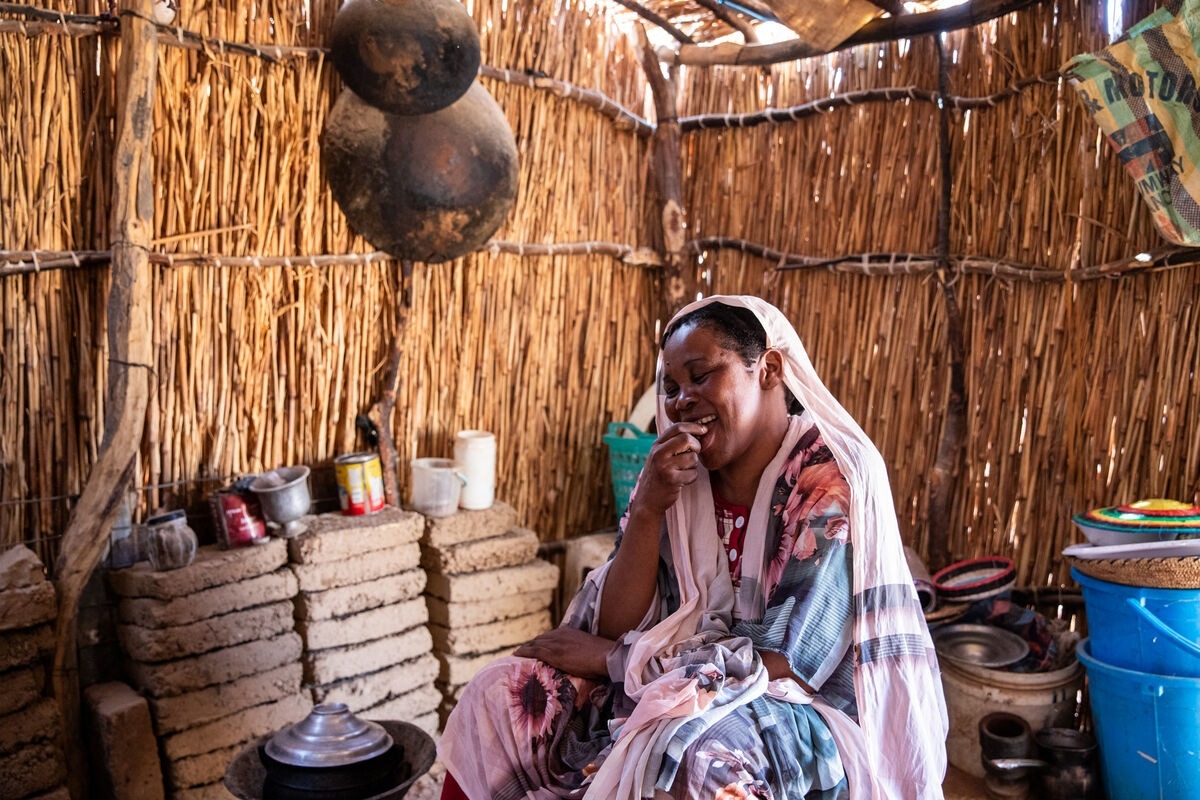
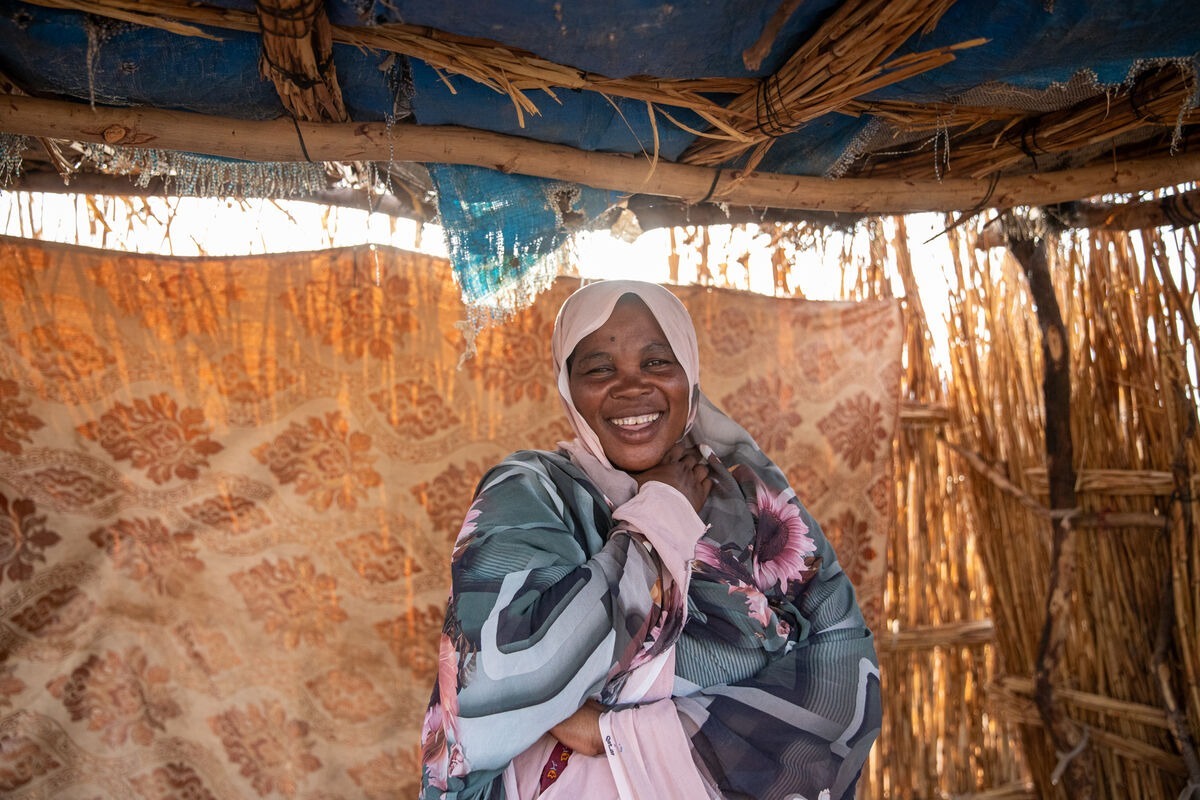
Sitting with Aicha in her small shelter in Chad, she greets you with a warm smile. But when she begins to speak, the pain in her voice becomes clear.
She recalls the moment armed men arrived in her village and threatened her family. “They told us: ‘You will leave this place. We don’t want to see you here. Even if you leave, we will follow you, and no one will help you.’”
Sadly, the words “no one will help you” are true for many women facing conflict and displacement.
A dangerous escape
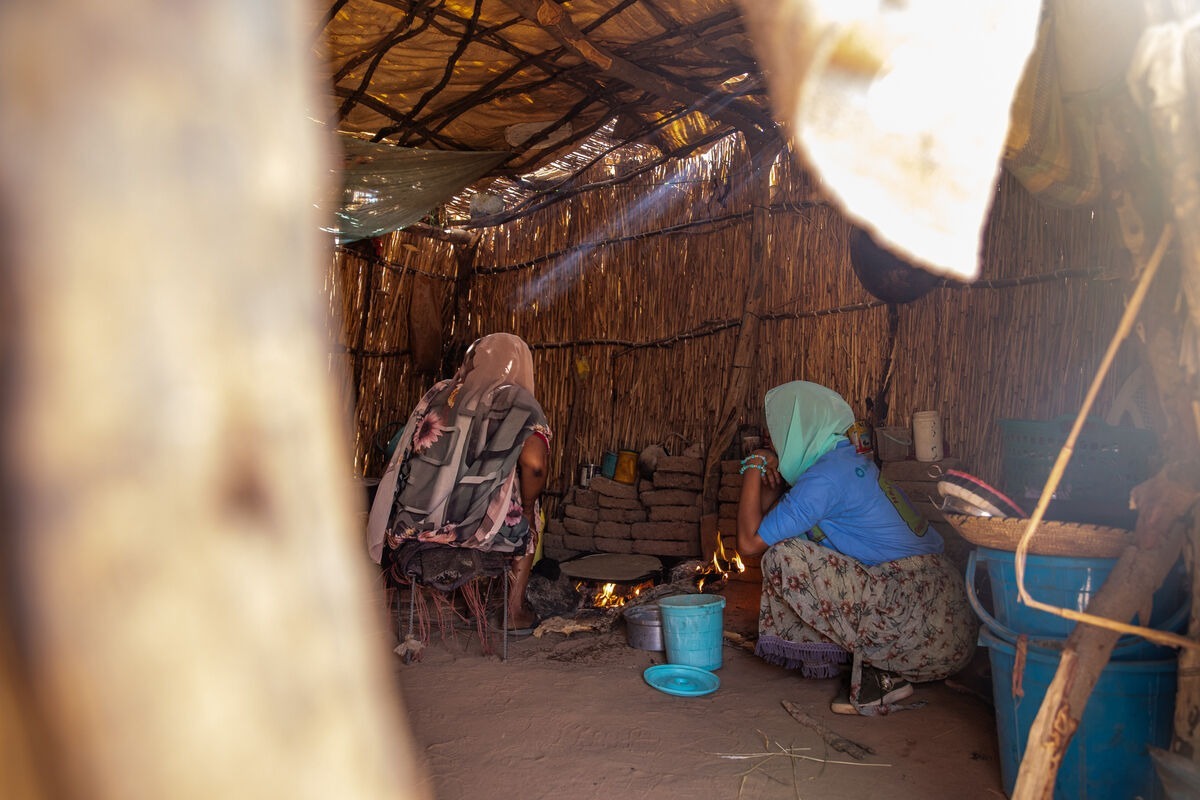
Aicha gathered her children and a few belongings and joined hundreds of others fleeing toward Chad. But in the night the road had been barricaded.
“The men had large torches for searches. They shot at us from the front and behind,’ she says. “Those who could swim took the river, and the rest of us who couldn’t swim, were forced to return west.”
Aicha describes the shocking events that followed.
“About 700 people fell into the river. The river was full of water. The children couldn’t swim, as I saw with my own eyes. They entered the river and lost their lives.”
Aicha continued to face further horrors as she and her family looked for another route to Chad. They’d almost made it when they were confronted by militia, and Aicha’s sister and 6-year-old niece were shot in front of her.
“They told us to run without looking back until we reached the border.” she says.
Starting again in a new country
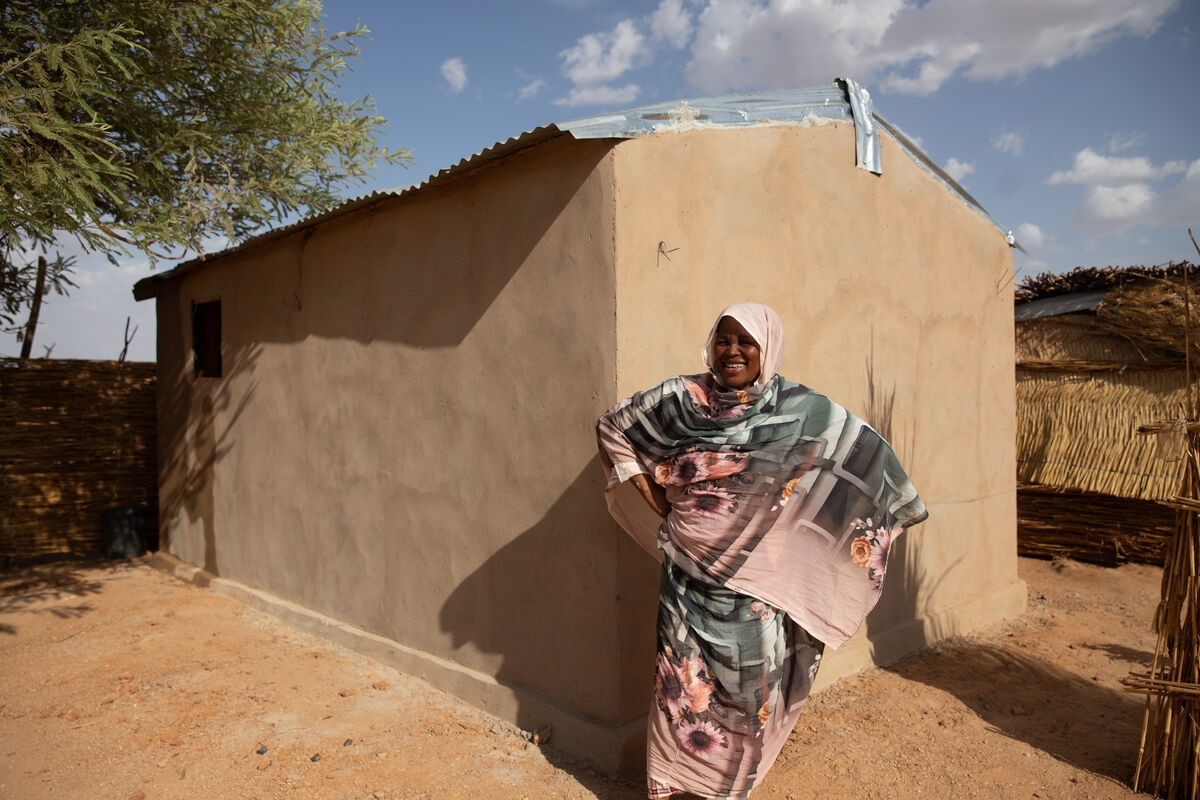
Reaching Chad was not the end of Aicha’s struggle. She and her family faced incredible uncertainty about their future as they tried to build a new life. In another set-back, their makeshift shelter was destroyed by heavy rains.
But in the midst of loss and displacement, Aicha showed remarkable strength. She was provided emergency shelter and essential items, and was able to start rebuilding her family’s sense of safety.
Why women must lead recovery
Crises like the one in Sudan disproportionately impact women and girls. Losing a home often means sleeping in overcrowded camps or out in the open. These conditions leave women and girls vulnerable to exploitation, violence and disease.
It’s precisely because women are the most affected by disaster that they should lead the recovery. They know exactly what problems they’re facing and the most effective solutions to fix them.
That’s why, when we give shelter, we need to start with women like Aicha. When they are part of emergency efforts from the start, they can shape a plan for shelter that helps everyone in their community.
What’s happening in Sudan
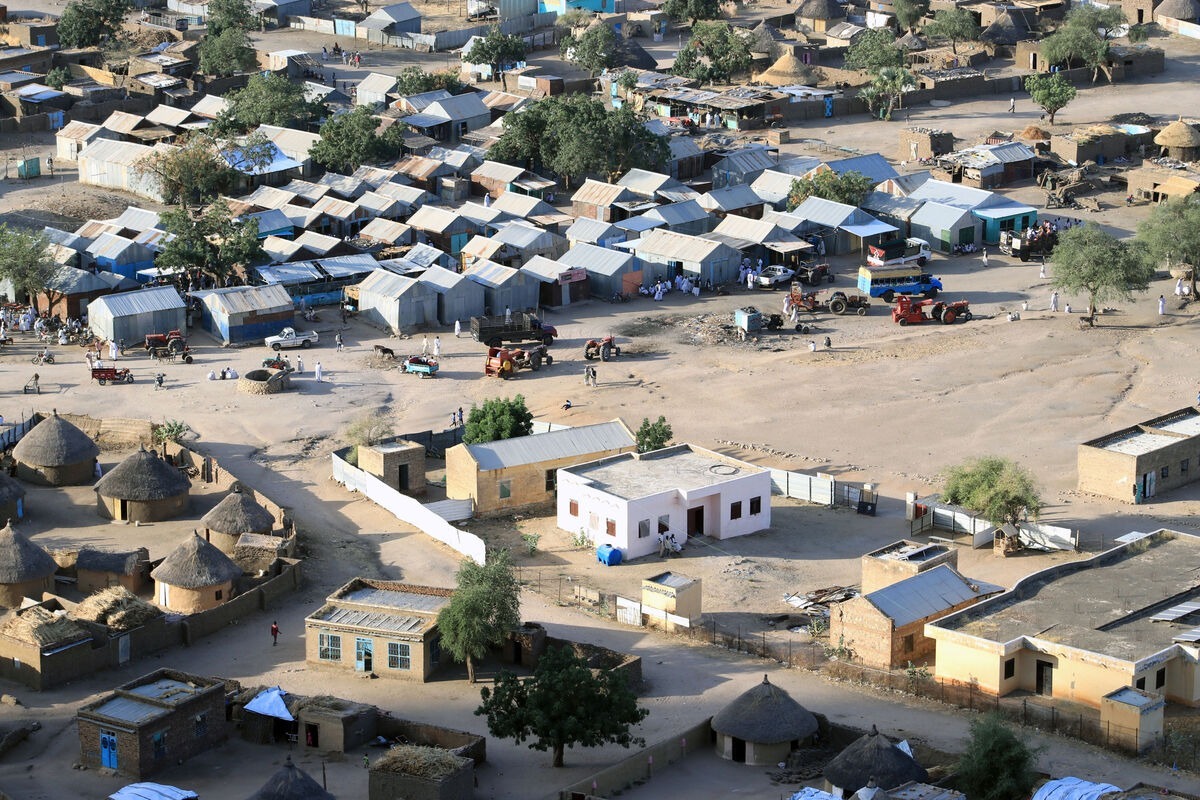
In April 2023, a civil war erupted in Sudan between the Sudan Armed Forces (SAF) and the Rapid Support Forces (RSF). The war started on the streets of the capital city, Khartoum. Since then, intense fighting has spread to other parts of the country.
One in every five people in the country have been displaced because of the war and previous conflicts in parts of Sudan since 2003. This humanitarian crisis is extreme.
Learn more about how we’re responding to the crisis and how you can help.
What's happening in Sudan?