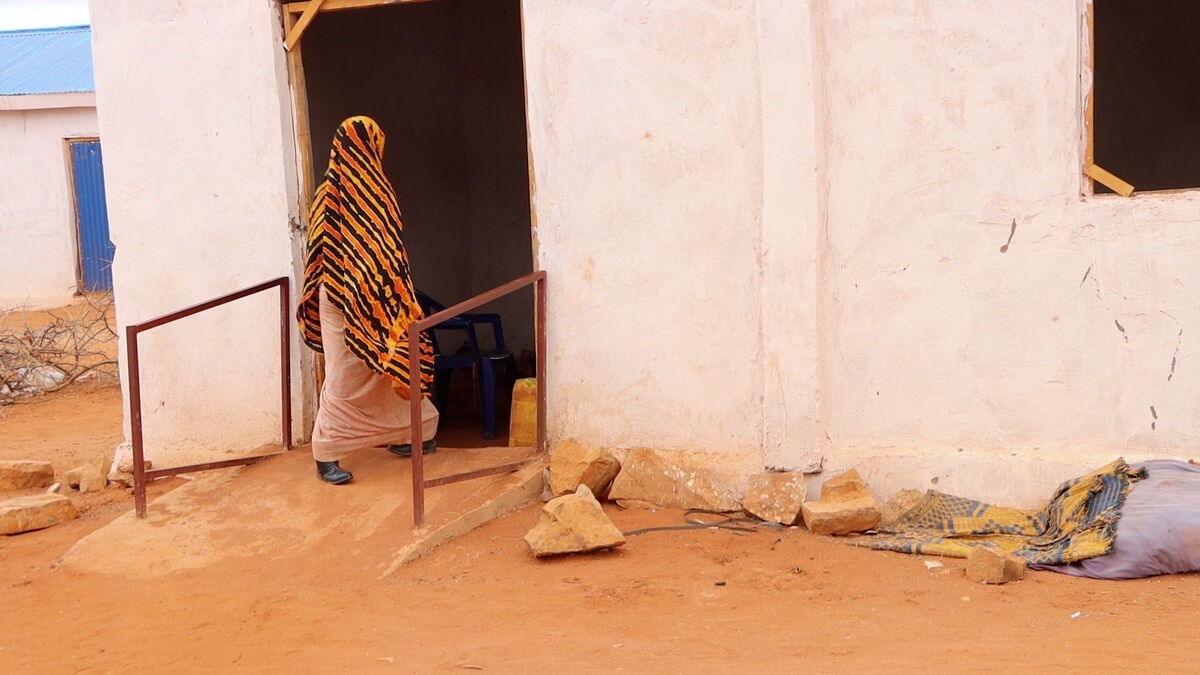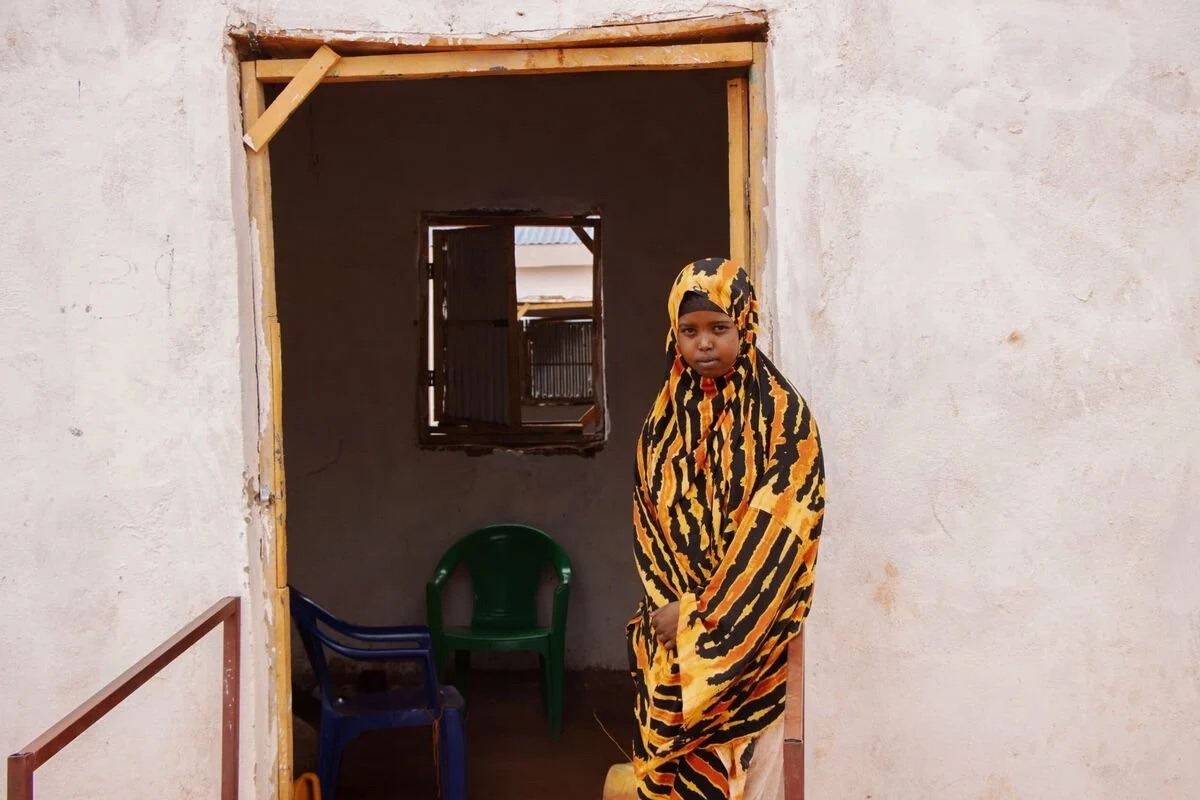
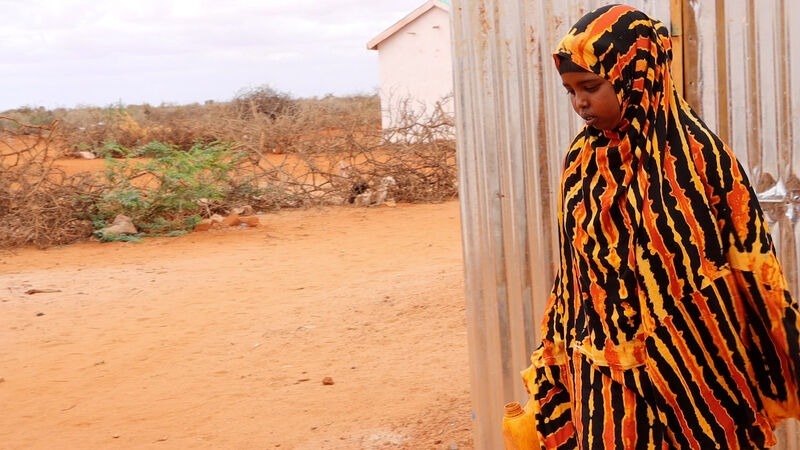
Ruqiya is 15 years old and lives in Dollow, southern Somalia, with four other family members – three girls and one boy. She stands outside her new home, built after years of displacement caused by drought, flooding and conflict.
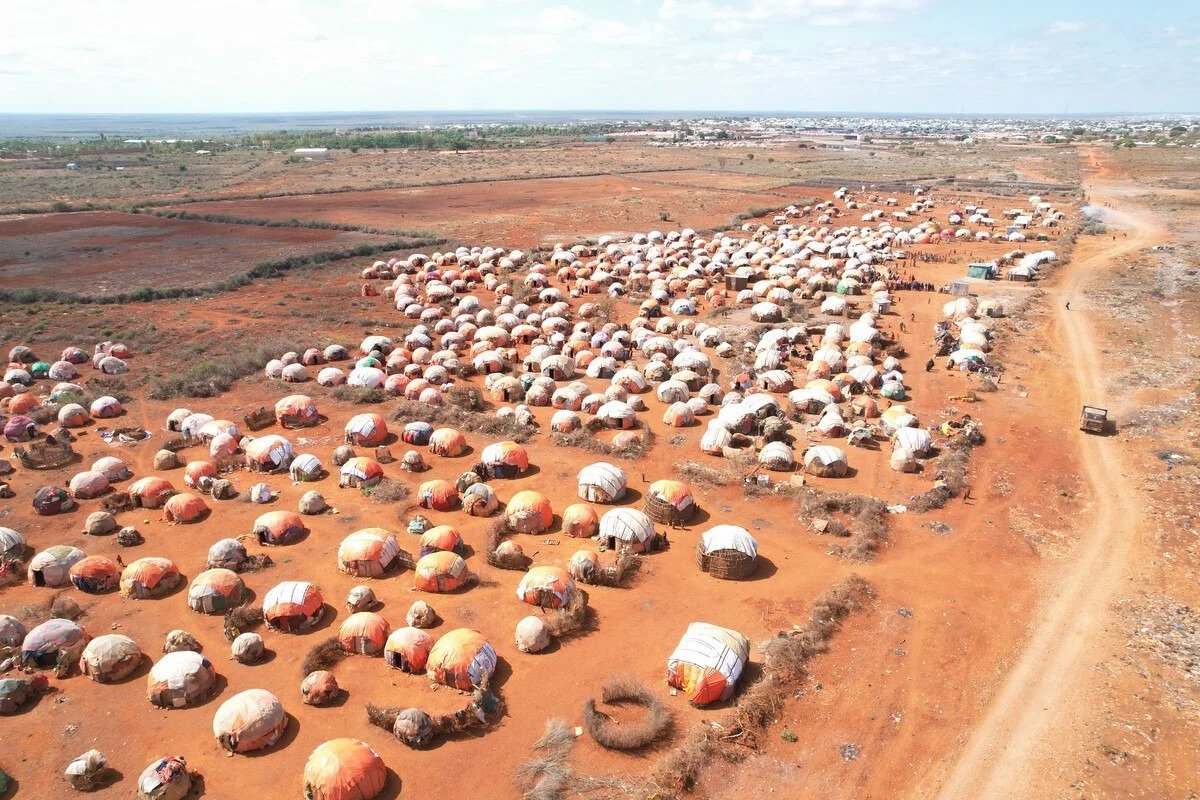
Climate shocks and displacement in Somalia
Decades of conflict, disease outbreaks, widespread poverty and climate shocks have devastated large parts of Somalia. Between 2020 and 2023, the country experienced its worst drought in forty years. In 2023 and into 2024, severe flooding linked to El Niño affected much of central and southern Somalia.
For families like Ruqiya’s, increasingly extreme dry and wet seasons have left little time to recover before the next crisis hits.
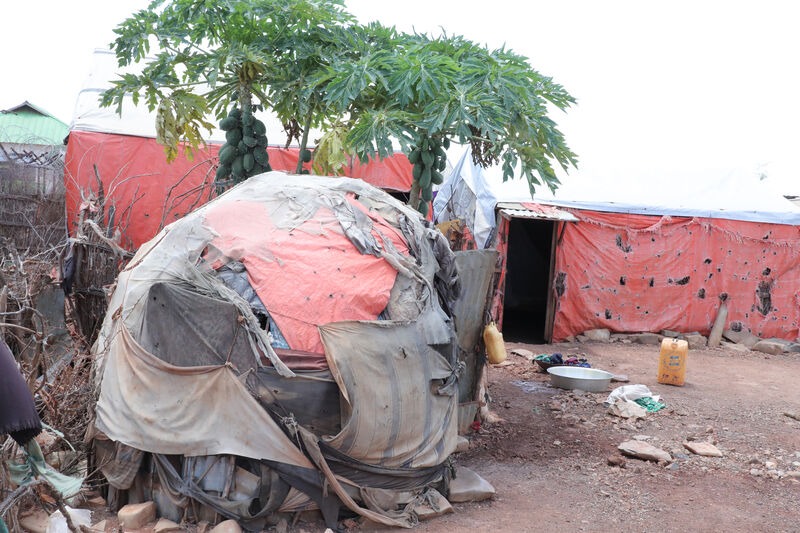
Living in a ‘bull’ shelter
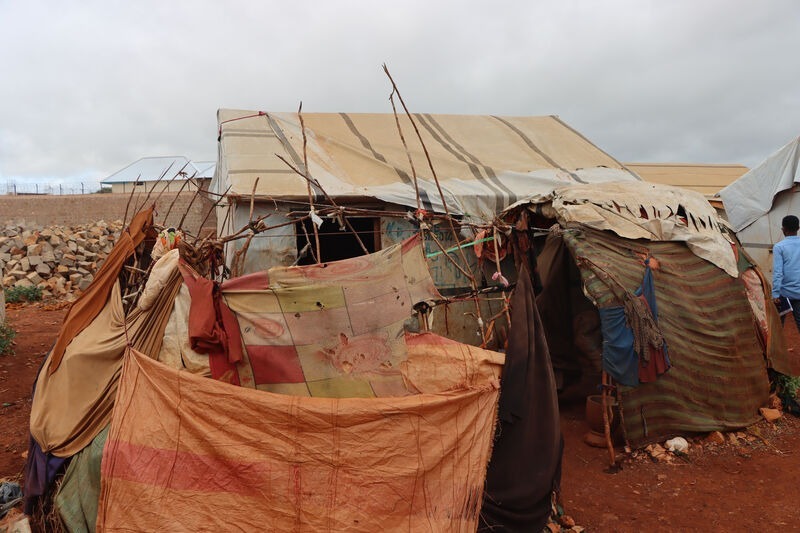
When Ruqiya and her family first arrived in Dollow, they built a temporary shelter known locally as a bull — a basic structure made from sticks, plastic and fabric.
“We used to live together in a bull shelter,” Ruqiya explains. “We were not comfortable with it.”
She describes the difference clearly: “The difference between the mud brick house and the bull is security and weather support. In cases like floods and windy weather, the bull shelter will have a lot of issues.”
For girls, temporary shelters often mean limited privacy and increased exposure to weather, overcrowding and insecurity.
Building a more durable home with ShelterBox and local partners
Through a ShelterBox project delivered with local partner Juba Foundation, Ruqiya’s family was among more than 2,300 vulnerable households supported to recover after drought, flooding or conflict.
In Dollow, where many families have been unable to return home, the need for longer-term shelter led to the construction of more durable homes using mud bricks and cement plaster. At least 200 families received larger shelters alongside long-term land tenancy agreements on government land, giving families greater stability.
“But now,” Ruqiya says, “we have got a good house, better than the bull.”
Adapting shelter to support girls with disabilities
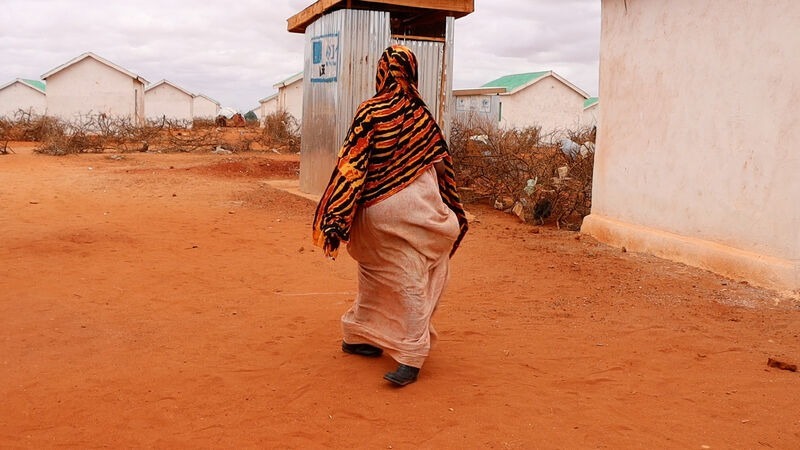
Ruqiya has mobility issues which make walking difficult. While she receives support from her family, the temporary bull shelter was not suitable for her needs.
“Although I have family support, the bull shelter was not appropriate for me,” she explains.
As part of the project, ShelterBox and Juba Foundation worked to provide more tailored support for families with additional needs. Ruqiya’s new home was built with a ramp and handrails, making it easier for her to move in and out safely.
“I don’t get support from the community, but my aunt supports me with whatever I need,” Ruqiya says. “I don’t have discrimination issues with adults, but children try to make fun of my way of walking.”
A safer home, with ongoing needs
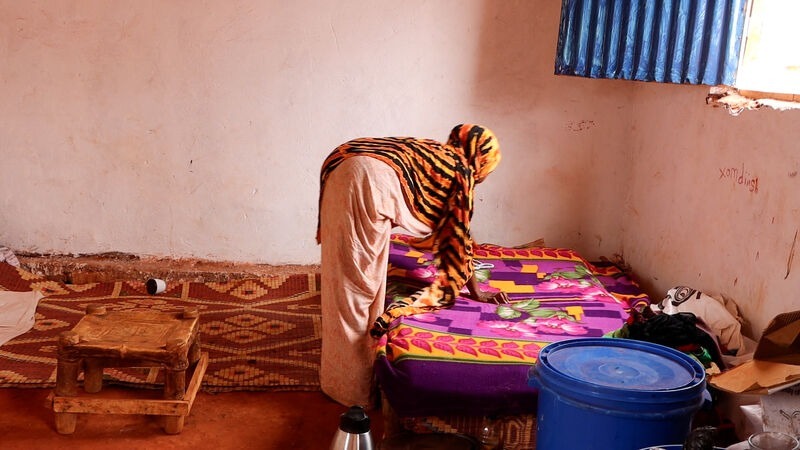
Alongside the shelter, Ruqiya’s family received essential household items, including mosquito nets, kitchen sets and blankets.
“I received mosquito nets, kitchen sets and blankets and many more things,” she says. “Thanks to ShelterBox and Juba Foundation for their support.”
Having a more secure home has brought greater safety and comfort. But Ruqiya is clear that shelter alone is not enough for long-term stability.
“We got this house,” she says, “and we are requesting livelihood support so that we can stay and live peacefully here.”
Somalia
Along with our partner Juba Foundation, we’re supporting tens of thousands of vulnerable people in Somalia who have been affected by disasters and conflicts. We are providing emergency shelters, and help people build durable homes that withstand extreme weather conditions.
Together, we can protect and empower the most vulnerable as they navigate life on the frontlines of crisis.